
The allure of chance and unpredictability
The psychology that draws individuals to casino games largely revolves around the allure of chance and unpredictability. At the heart of this is the sensation of excitement that comes from the unknown outcomes. Whether it’s the roll of dice, the spin of a slot machine, or the flip of cards, players are drawn to the potential for sudden wealth and the thrill of uncertainty. This unpredictability taps into the basic human instinct for risk-taking and adventure, prompting players to engage repeatedly in hopes of success, especially when they consider options like online casino fast withdrawal for their winnings. The prospect of a life-changing win adds a layer of allure that entices not only seasoned gamblers but also casual players seeking a burst of adrenaline.
Additionally, the concept of “near misses” plays a significant role in sustaining players’ interest. When individuals experience outcomes that are close to a win, their brains often interpret these moments as opportunities rather than losses. This phenomenon heightens their desire to continue playing, as they believe that a win is just around the corner. The psychology behind near misses activates the brain’s reward systems, creating a compelling urge to chase that elusive success. Moreover, this psychological nudging can lead to a cycle of continued engagement, even in the face of repeated losses, as gamblers cling to the hope of future success. This mindset can be particularly potent, as it often propels players deeper into the gaming experience.
Furthermore, the environment of a casino amplifies these psychological effects. Bright lights, stimulating sounds, and engaging visuals create a sensory experience that can heighten emotions and drown out rational thinking. The atmosphere is meticulously designed to keep players seated, encouraging them to participate for longer periods. Features such as free drinks and alluring entertainment options contribute to this immersive environment. The combination of chance, excitement, and the ambiance of the space creates a powerful psychological pull that keeps players coming back, often underestimating the risks involved. This calculated design plays a crucial role in shaping player behavior and sustaining interest in gambling activities.
The role of rewards and reinforcement
The psychology of rewards and reinforcement plays a crucial role in the appeal of casino games. When players win, even if it’s a small amount, their brain releases dopamine, the “feel-good” neurotransmitter, reinforcing the behavior of gambling. This chemical reaction creates a pleasurable association with the game, encouraging players to chase that high. The excitement of winning, regardless of the amount, can overshadow the losses, leading to a skewed perception of gambling as an overall positive experience. The anticipation of a potential win becomes a significant motivator, making players more inclined to return, even after experiencing setbacks.
Additionally, variable rewards, which are often at play in casino games, significantly contribute to engagement. Unlike fixed rewards, variable rewards are unpredictable and can change from one moment to another. This unpredictability keeps players on edge, as they are constantly guessing when the next win will happen. The thrill of uncertain rewards creates a cycle of anticipation and excitement that can be difficult to resist. This psychological mechanism is similar to those found in behavioral conditioning, where the delivery of rewards is uncertain, making the behavior more compulsive. Players find themselves caught in a loop, continually seeking the next payoff that may or may not come.
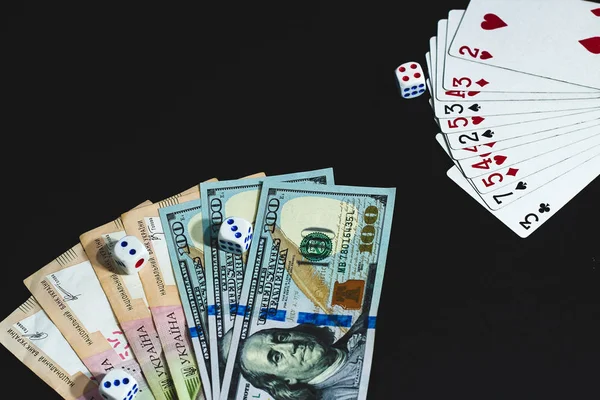
The thrill of winning coupled with the psychological reinforcement of rewards can lead to a cycle of gambling behavior that can be difficult to break. Players often fall into the trap of “chasing losses,” where they continue to gamble in hopes of recovering lost funds. This mindset, fueled by the brain’s reward systems and the reinforcing nature of wins, can create a precarious situation for many. As they seek to reclaim their lost stakes, they might overlook the increased risks they are taking, further entrenching them in a cycle of gambling. Understanding these psychological triggers is critical for recognizing when the pursuit of wins turns into a detrimental pattern.
The impact of social dynamics
The social aspect of gambling cannot be understated; it deeply influences players’ behaviors and decisions. Many individuals are drawn to casinos not only for the games but also for the social experience that accompanies them. Engaging with others, whether it be friends or fellow gamblers, delivers a sense of community and belonging. This social interaction can make gambling feel more enjoyable and less isolating, thus amplifying the overall experience. Casinos often provide communal spaces and entertainment options to foster this social atmosphere, making the act of gambling a shared experience that enhances the thrill and enjoyment.
Social dynamics also play a role in creating social pressure among players. The presence of others can lead individuals to increase their bets or take risks they might not normally consider if gambling alone. Observational learning is common in this context; players may adjust their behavior based on how others around them are engaging with the games. This can lead to a heightened sense of excitement or competition, encouraging even more participation. The camaraderie of shared experiences can become a driving force behind players’ choices, often pushing them toward riskier bets, which they may have avoided in isolation.
Furthermore, the power of social validation cannot be overlooked. Players often seek affirmation from their peers, which can influence their beliefs about luck and skill in gambling. Testimonials from others about wins can create an exaggerated sense of the likelihood of winning, leading to an increased desire to participate. This blend of social influence and personal experience cultivates a unique psychological environment where individuals feel both supported and compelled to gamble more, often at the expense of rational decision-making. The pressure to conform to group norms can further entrench players in a cycle of gambling that they might otherwise question.
The influence of cognitive biases
Cognitive biases play a crucial role in shaping how individuals perceive their experiences in casino settings. One prominent bias is the “illusion of control,” where players believe they have more influence over game outcomes than they actually do. This perception is especially common in games that involve an element of skill, such as poker or blackjack. Gamblers may overestimate their ability to predict outcomes or influence results, leading them to engage in riskier behavior, believing they can outsmart the system. This illusion can create a false sense of security that encourages continued play even in unfavorable circumstances.
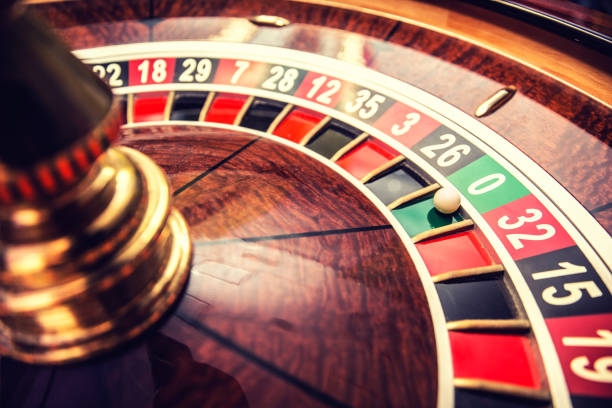
Another prevalent bias is the “gambler’s fallacy,” where individuals believe that past events can influence future outcomes, particularly in games of chance. For instance, a player might think that if a particular number hasn’t been rolled recently, it is “due” to appear soon. This fallacious reasoning can encourage players to continue betting based on flawed logic, further entrenching them in the gambling cycle. Such cognitive distortions can drastically skew a player’s understanding of probabilities and outcomes, resulting in decisions that do not align with the actual statistical realities of the games. Recognizing this bias is essential for developing a more realistic perspective on gambling outcomes.
Lastly, confirmation bias can reinforce existing beliefs about gambling. Players who have experienced wins may focus on those instances, discounting the numerous losses that accompany their gambling experiences. This selective memory can create a false narrative that leads players to believe they are more successful than they are, further motivating them to continue engaging in gambling activities. The interplay of these cognitive biases highlights how our thought processes can be manipulated, making gambling seem more favorable and enticing than it often is. Addressing these biases can help players make more informed and rational decisions regarding their gambling habits.
Understanding the psychology enhances gaming strategies
Understanding the psychology behind gambling can also pave the way for more responsible gaming habits. By recognizing the influences of chance, reward systems, social dynamics, and cognitive biases, players can make more informed decisions about their gambling behaviors. Awareness of the psychological triggers present in casinos can empower individuals to set boundaries and stick to them. This understanding is crucial for maintaining a healthy relationship with gambling. Players who are aware of these influences can mitigate the risks associated with gambling, leading to a more enjoyable experience without the negative impacts.
Furthermore, casinos and online gaming platforms are increasingly integrating responsible gaming initiatives, using psychology to promote safer gambling practices. Features such as self-exclusion options, deposit limits, and reality checks can help players monitor their behavior and mitigate risks. Educating players about the psychological aspects of gambling is an essential step toward fostering a safer gaming environment while maximizing enjoyment. By implementing these features, the industry acknowledges the importance of player welfare and aims to create an atmosphere where fun and responsibility coexist.
Players who engage with this knowledge can become more strategic in their approach, focusing on entertainment value rather than solely pursuing winnings. By prioritizing enjoyment and setting personal limits, players can enhance their gaming experiences while minimizing potential negative outcomes. Ultimately, understanding the psychological factors at play can lead to healthier gambling habits and more fulfilling experiences. This knowledge empowers players to navigate the complexities of casino gaming while enjoying the thrill of the experience responsibly.

Recente reacties